
When Is My Dog Ready for Mating?
Most dogs are ready to mate at around day 11 of their season. Here's how to spot the signs that your girl is approaching the right time.
Most dogs are ready to mate at around day 11 of their season. This can happen earlier or later depending on the individual dog, but day 11 is usually the typical time to aim for.
Every dog is different, so it is important to watch for both the physical and behavioural signs that your girl is getting close to the right time for mating.
1Understanding Blood Colour Changes
One thing that catches many owners out is the change in blood colour during the season.
In some dogs, the discharge can actually start off quite light before becoming a darker red colour over the next few days. This is completely normal and often causes people to panic, thinking their dog is further through the season than she really is.
As the season progresses and your dog approaches ovulation, the discharge will usually begin to lighten again, often becoming pink, watery, or a light straw colour.
When the discharge changes back to this lighter straw colour, this is often one of the strongest signs that your dog may be ready for mating and the first mating should be attempted.
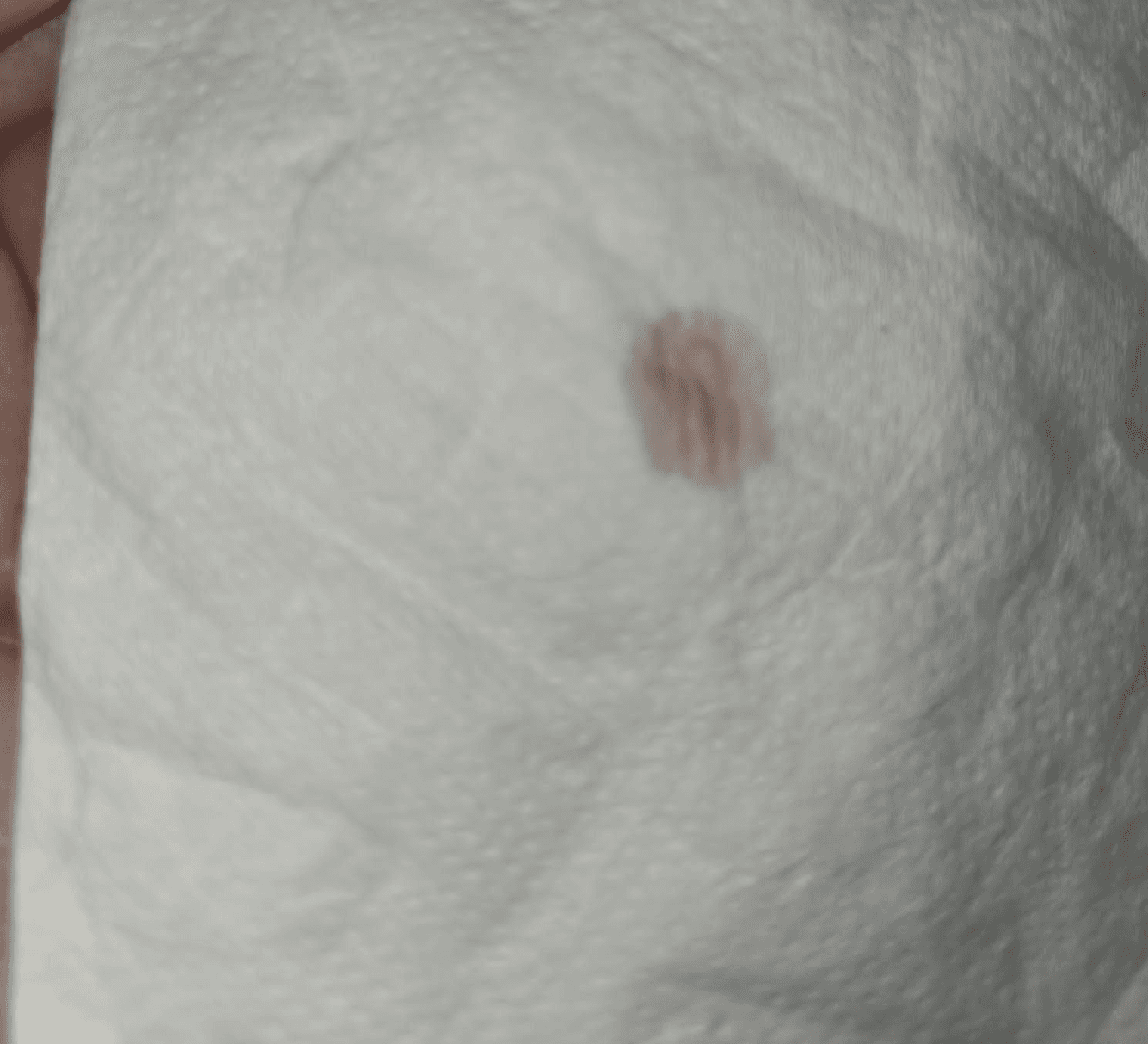
Example image — light straw / pink discharge:
2Standing & Flagging
Another very good sign is when your dog begins standing for males.
You may notice:
- Standing still when touched near the back end
- Moving the tail to one side
- Allowing interest from male dogs
This tail movement is commonly called flagging and is usually a very good indication that your dog is ready for mating.
3Increased Interest From Male Dogs
If you have your own male dog in the household, you will often notice his interest increase significantly once your female is approaching the correct mating stage.
Male dogs can detect hormonal changes very accurately, so increased attention from males can be another useful sign to watch for.
4Progesterone Testing — The Most Accurate Method
Visual signs are a great guide, but if you want to take the guesswork out completely, a progesterone blood test is the most accurate way to pinpoint ovulation. It's especially useful for girls with irregular seasons, silent heats, or a previous mating that didn't take.
How it works
Your vet or breeding clinic takes a small blood sample and measures the progesterone hormone level in nanograms per millilitre (ng/mL). The result tells you exactly where your girl is in her cycle, rather than relying on physical signs alone.
When testing usually starts
Most vets recommend a first baseline test around day 5–7 of the season. From there, testing is typically repeated every 2–3 days until a clear rise is seen, then again to confirm ovulation.
What the numbers mean
A rough guide — numbers vary between labs and individual dogs, so always go by your vet's reading.
- Below 2 ng/mLStill in the early part of the season
- ~2–3 ng/mLThe LH surge — ovulation is due in roughly 48 hours
- ~5–10 ng/mLOvulation has occurred — the fertile window for fresh natural matings
- ~20+ ng/mLThe timing usually used for chilled or frozen semen
Best time to mate
For natural matings, most vets aim for between days 3 and 6 after the initial progesterone rise, when the level is around 5–10 ng/mL. Eggs actually need another 48–72 hours after ovulation to fully mature, which is why this window — not the LH surge itself — is ideal.
Important
These signs and figures are useful guides, but every dog is different. Some girls ovulate early, while others can be much later than day 11.
If you are ever unsure or want the best possible timing, always go with the recommendation of your vet or a reputable breeding clinic — they'll have the full picture for your individual girl.
Ready to book a mating?
Have a look through our boys, or get in touch — we're always happy to help with timing questions.